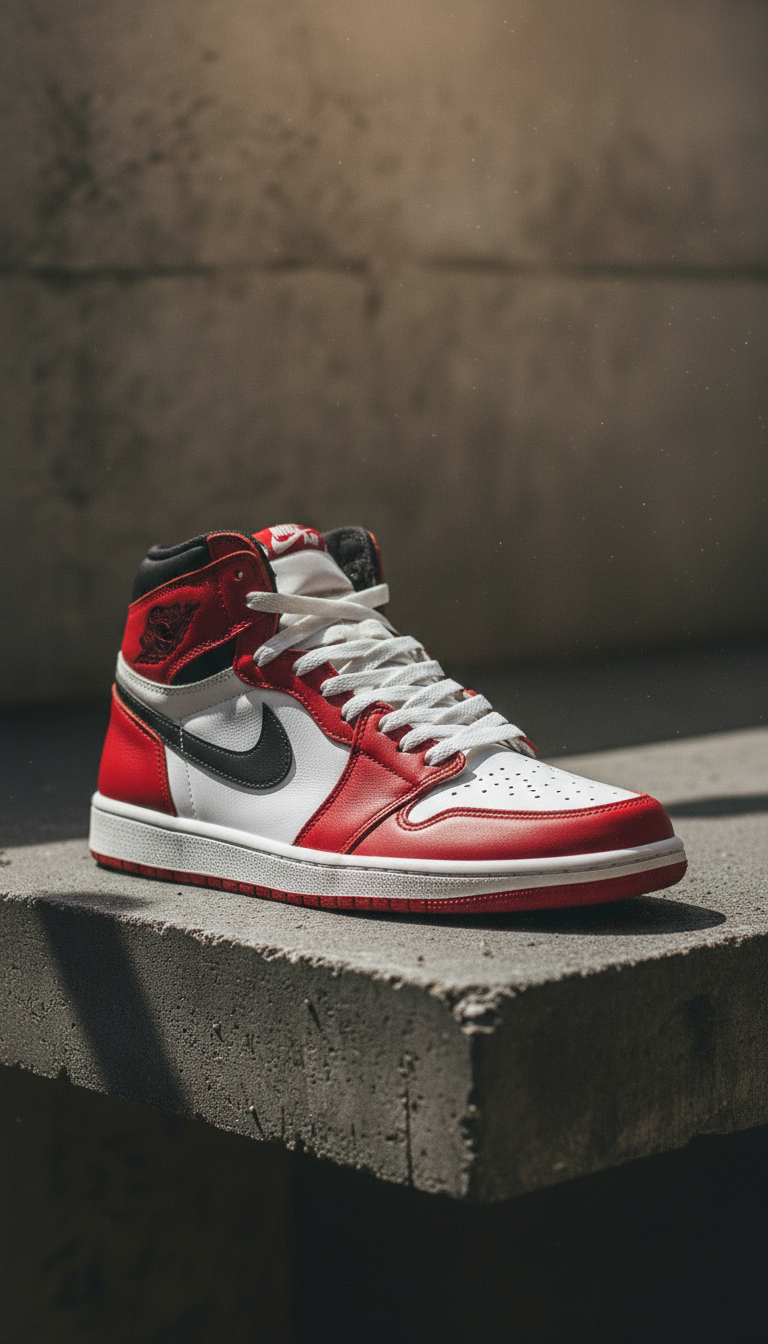
Sneaker restoration before and after photos are everywhere — and while the best ones are genuinely impressive, they can also set unrealistic expectations. The truth is that results vary significantly depending on the shoe material, the type of damage, how long the damage has been there, and the quality of the restoration work. This is an honest breakdown of what professional sneaker restoration can and cannot do.
What Professional Sneaker Restoration Actually Involves
Restoration is not just cleaning. A full professional restoration may include deep cleaning, deodorizing, midsole cleaning and whitening, outsole cleaning, leather or synthetic conditioning, color restoration, paint touch-ups, crease reduction, and protective coating application. For more damaged shoes, it can also include sole regluing, structural repairs, and full repaint jobs. The scope depends entirely on the condition of the shoe when it comes in. Before any restoration begins, a technician should assess the shoe and give you a realistic picture of what to expect.
Sneaker Restoration Before and After: Results by Damage Type
Dirt and Surface Staining
This is where restoration delivers the most dramatic before and after results. Shoes that look completely lost under layers of mud, grass stains, or general grime often come back looking close to new. Deep cleaning techniques and professional-grade products reach places and stains that home cleaning cannot. The caveat: stains that have been allowed to set for months or years, especially on porous materials like canvas or mesh, may leave permanent discoloration even after thorough cleaning.
Yellowed Midsoles and Outsoles
Sole yellowing is one of the most common restoration requests. Results depend on how far the oxidation has progressed. Early-stage yellowing — where soles have gone from white to cream or light yellow — responds well to professional treatment and can often be brought back to near-white. Heavily oxidized soles that have turned brown or deep yellow are harder to fully reverse. Some improvement is almost always possible, but complete restoration to original white is not guaranteed on heavily oxidized rubber.
Scuffs and Paint Loss
Surface scuffs on leather and synthetic uppers are among the most satisfying before and after transformations. A skilled technician can match paint colors closely enough that repainted areas are essentially invisible to the casual eye. Deep gouges that have broken through multiple paint layers are harder — they may require filler and repainting, which can sometimes be detected on very close inspection. On high-end or unusual colorways, color matching requires experience and quality materials.
Creases and Shape Distortion
Leather toe box creasing can be significantly reduced through steam and reshaping techniques, though it is rarely completely eliminated. Shoes that have been severely crushed or stored improperly for extended periods may retain some distortion. Knit and mesh uppers are harder to reshape than leather. Managing expectations here is important — crease reduction is realistic; crease elimination usually is not.
Water Damage and Staining on Leather and Suede
Water damage on leather can often be addressed through reconditioning and color restoration. Salt stains from winter streets are generally treatable. Suede is the most challenging — water damage that has been allowed to dry and set into the nap can cause permanent texture changes. In some cases, partial re-dyeing or color restoration can improve the appearance significantly, but the original texture may not be fully recoverable.
What Restoration Cannot Fix
There are limits. Midsole foam that has completely broken down structurally cannot be restored to its original cushioning properties — it can be repainted to look better, but the functional degradation is permanent. Fabric uppers with holes or tears can be repaired in some cases but may show evidence of the repair. Materials that have completely delaminated or disintegrated beyond the surface layer may not hold paint or treatment well. And some very heavily damaged shoes — especially vintage pairs that have been stored poorly for decades — may have deteriorated past the point where restoration is cost-effective.
When to Start the Restoration Process
The single most important factor in restoration outcomes is timing. The sooner you bring in a damaged shoe, the better the results tend to be. Stains that are a week old are easier to treat than stains that are six months old. Yellowing caught early is easier to reverse than advanced oxidation. If you have shoes that you care about, do not wait until the damage is severe before having them looked at. A maintenance cleaning and protective treatment is significantly less expensive than a full restoration — and it keeps the before and after gap from becoming too wide to close.
More from Fixano: Why Your Air Force 1s Are Yellowing (And How to Actually Fix It) | How to Clean White Sneakers: The Complete Guide
Fixano offers professional sneaker and leather restoration with door-to-door pickup and delivery across Los Angeles and Orange County. Book through the Fixano app — available on the App Store.
Leave a Reply