Author: Fixano Team

  • Suede Sneaker Care: What You Should Never Do at Home

    Suede Sneaker Care: What You Should Never Do at Home

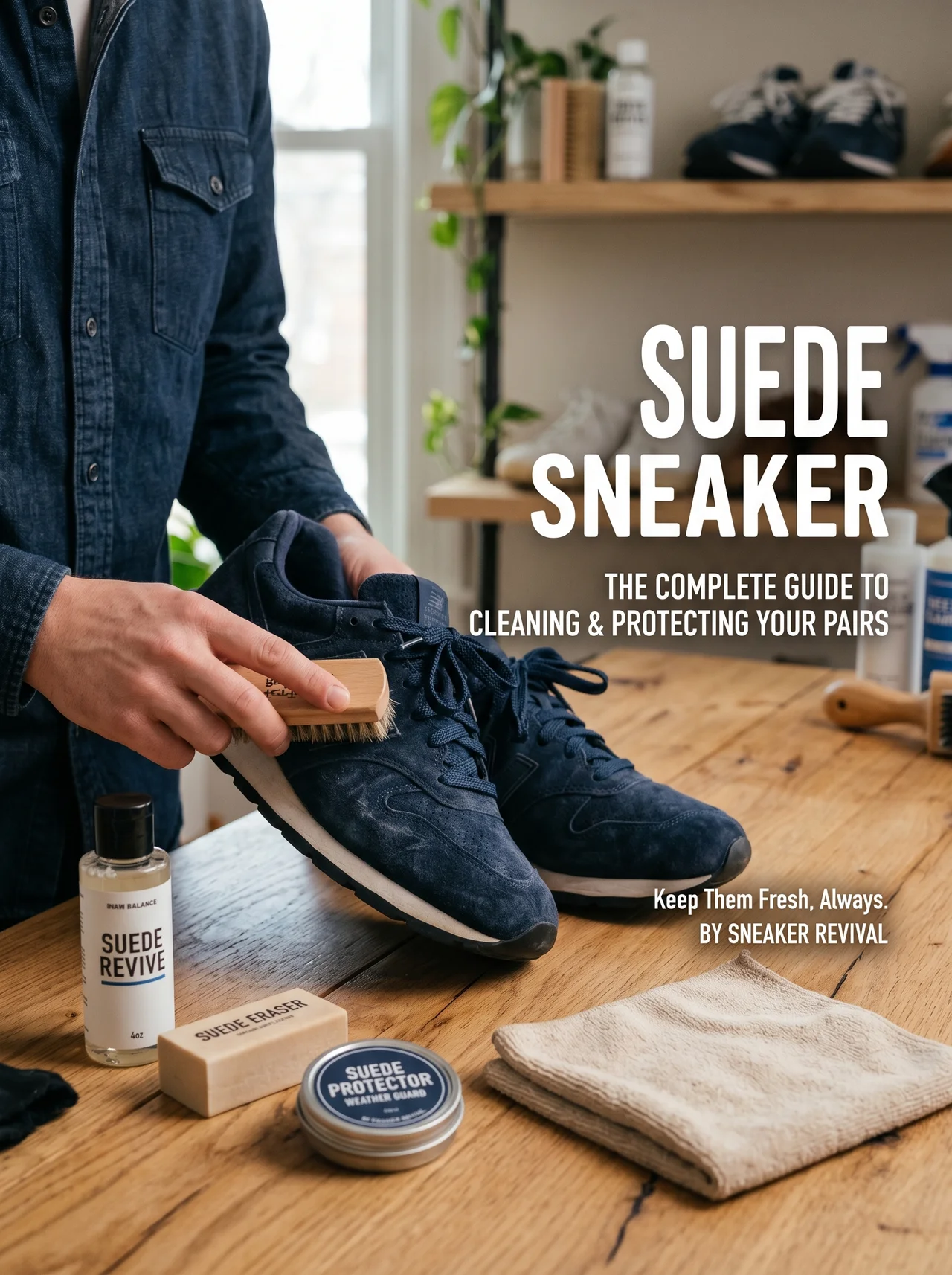
    If you own a pair of suede sneakers, you already know the anxiety — one wrong move and the surface is ruined. The right suede sneaker cleaning tips aren’t just about what to do; they’re equally about what to avoid. Suede is one of the most unforgiving materials in footwear, and most of the damage we see at Fixano comes from well-intentioned home cleaning attempts gone wrong.

    Why Suede Is Different From Other Sneaker Materials

    Suede is made from the underside of animal hide — typically lamb, calf, or pig — buffed to a soft, napped finish. Unlike smooth leather, suede has an open fiber structure that absorbs moisture, oils, and dirt quickly. That same texture that makes suede look premium is what makes it so difficult to clean without causing permanent damage.

    Standard sneaker cleaning products are formulated for canvas, mesh, or smooth leather. Apply them to suede and you risk flattening the nap, leaving water stains, or bleaching the color. The material requires its own tools, techniques, and — in many cases — professional handling.

    What to Never Do When Cleaning Suede Sneakers

    These are the mistakes we see most often — and the ones that turn a fixable pair into a write-off.

    Never use water directly on suede. Water causes suede to stiffen, warp, and develop permanent tide marks. If your sneakers get caught in rain, let them dry naturally at room temperature — never apply water to try to even out a wet spot. Once dried incorrectly, water damage on suede is very difficult to reverse.

    Never use a standard cleaning brush. Hard-bristle brushes flatten the nap and create bald patches that cannot be restored at home. Suede requires a dedicated suede brush with soft brass or nylon bristles, used with light, unidirectional strokes.

    Never apply liquid soap or all-purpose cleaners. Products like dish soap, laundry detergent, or even “sneaker cleaner” foam break down the suede’s natural oils and leave behind residue that attracts more dirt. The surface may look cleaner immediately after, but the damage accumulates.

    Never put suede sneakers in the washing machine. This is perhaps the most common mistake. The combination of heat, agitation, and water will shrink, stiffen, and discolor the suede. There is no recovery from a machine wash.

    Never use a hair dryer to speed up drying. Direct heat damages the suede fibers and can cause cracking or color changes. Always air-dry, away from direct sunlight or heat sources.

    Suede Sneaker Cleaning Tips You Can Actually Use at Home

    For minor surface dirt and scuffs, there are a few safe approaches for home care.

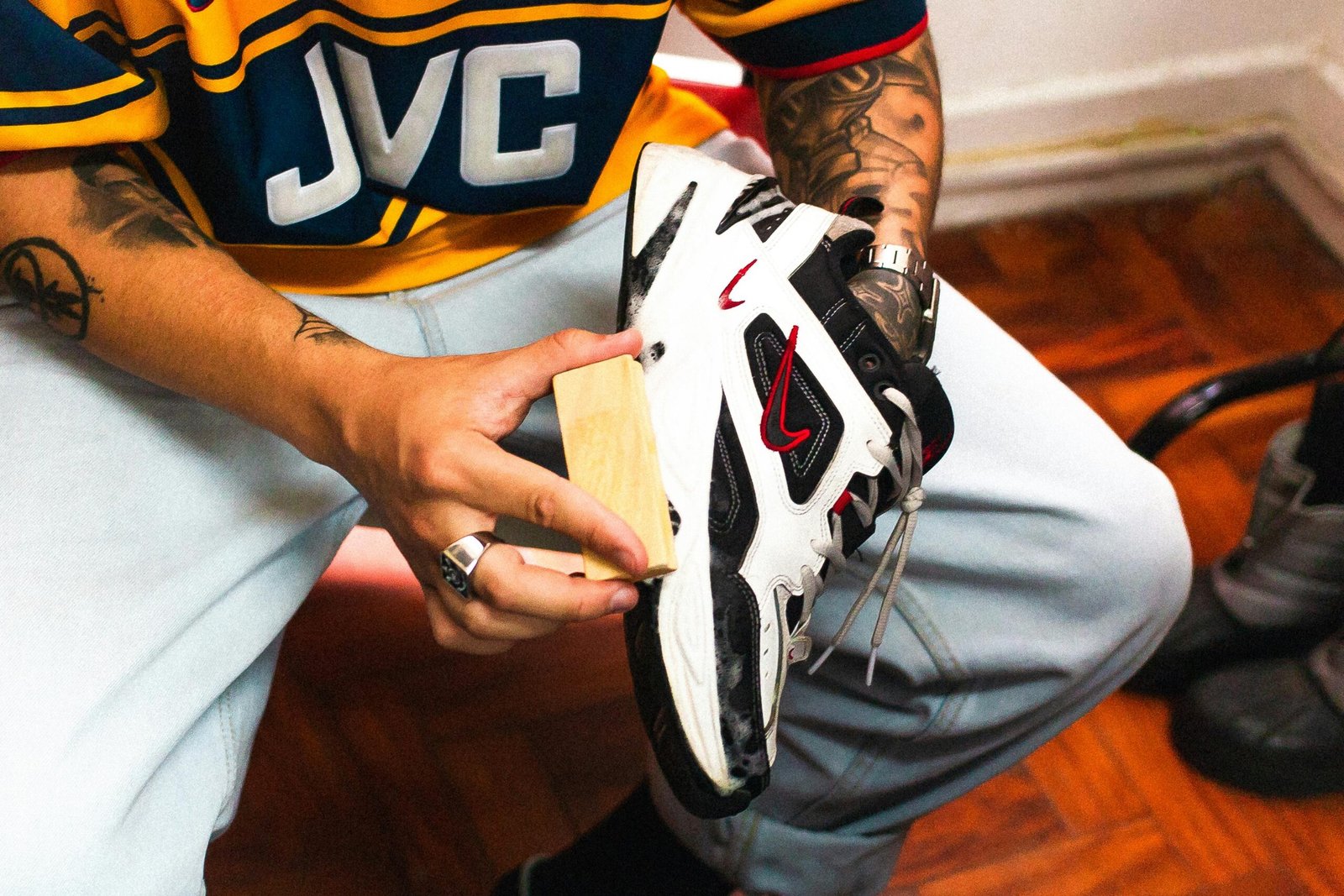
    A dedicated suede eraser (sometimes called a suede block) can lift dry scuffs and light stains without moisture. Use light pressure and work in one direction. Follow up with a suede brush to restore the nap.

    For dry dirt and dust, a soft suede brush used in short, gentle strokes is your safest tool. Always brush in the direction of the nap — going against it can damage the fibers.

    Preventive care is the most effective form of suede maintenance. A quality suede and nubuck protector spray, applied before wear, creates a barrier against moisture and staining. Reapply every few weeks if you wear the shoes regularly.

    For oil-based stains, cornstarch or talcum powder applied immediately after the stain occurs can absorb the grease before it sets. Leave it on overnight, then brush away gently. This works best on fresh stains — older oil stains require professional treatment.

    When to Call a Professional Restoration Service

    Home care handles light maintenance, but most significant suede damage — deep stains, water damage, color loss, matted nap, or scuffs that go beyond the surface — requires professional restoration. Attempting to fix these issues at home typically compounds the problem and reduces what a professional can later recover.

    At Fixano, we use industry-grade suede cleaning solutions, nap restoration tools, and color-matched treatments to bring suede sneakers back to a clean, uniform finish. We service customers across Los Angeles and Orange County with door-to-door pickup and delivery — so there is no drop-off required.

    If your suede sneakers have visible damage that a brush and eraser won’t fix, a professional assessment is the right next step. It’s a faster path to a good result than home experimentation on a delicate material.


    More from Fixano: Sneaker Restoration in Los Angeles – What to Expect | The Complete Guide to White Sneaker Cleaning


    Ready to give your suede sneakers a proper clean? Download the Fixano app, available on the App Store, to book a pickup in Los Angeles or Orange County. We handle the cleaning — you handle everything else.

  • How Long Does Sneaker Restoration Take? A Realistic Timeline

    How Long Does Sneaker Restoration Take? A Realistic Timeline

    If you’re wondering how long sneaker restoration takes before committing to a service, the honest answer is: it depends. The timeline varies based on the type of service, the condition of the shoe, and how backed up the studio’s queue is. But there are realistic ranges you can plan around — and knowing them upfront makes the whole experience smoother.

    How Long Does Sneaker Restoration Take? The Short Answer

    For a standard deep clean on canvas or leather sneakers, most professional services complete the job in 3 to 5 business days. Full restorations involving sole work, midsole repainting, or upper color correction typically run 7 to 10 business days. Complex jobs on premium or vintage materials can take up to two weeks.

    These aren’t slow timelines — they reflect what quality work actually requires. Restoration involves multiple steps with dry time between each. Rushing any part of the process risks adhesion failures, streaky finishes, or paint that cracks within weeks of the job.

    What Affects the Sneaker Restoration Timeline

    Several factors push the timeline shorter or longer. Understanding them helps set accurate expectations before you book.

    • Type of service. A cleaning is faster than a full restoration. Sole re-icing (de-yellowing oxidized midsoles) requires UV exposure and cure time. Repainting requires multiple coats and drying between each one.
    • Material. Mesh and canvas are generally faster to clean than suede or nubuck. Leather restoration involves conditioning steps that can’t be compressed. Exotic materials like patent leather or woven uppers require specialized handling.
    • Condition of the shoe. Heavy oxidation, deep scuffs, midsole cracking, or glue failures add time. The studio has to assess the damage thoroughly, sometimes source matching materials, and run test patches before committing to the full job.
    • Studio workload. Like any skilled trade, restoration studios have capacity limits. During high-volume periods — post-festival season, back-to-school, holidays — wait times tend to run longer. Booking in advance helps.

    Typical Timelines by Service Type

    Here’s a realistic breakdown of what to expect based on service type:

    • Deep clean — canvas, leather, mesh: 3–5 business days
    • Deep clean — suede or nubuck: 4–6 business days
    • Sole restoration and de-yellowing: 5–7 business days
    • Midsole repainting: 6–8 business days
    • Full restoration — upper, sole, and detailing: 7–10 business days
    • Luxury or vintage restoration: 10–14 business days

    These windows include the actual service time plus quality control review before return. At Fixano, work doesn’t leave the studio until it meets the standard — which means you’re not getting your shoes back early if they’re not ready.

    How the Fixano Process Fits Into the Timeline

    Fixano handles door-to-door pickup and delivery across Los Angeles and Orange County, which adds a day on each end of the service. When you book through the Fixano app, a driver picks up your shoes from your door — no drop-off required. Once the restoration is complete, your sneakers are delivered back the same way.

    The full timeline from pickup to drop-off typically runs 5 to 12 business days depending on the service. You’ll receive a confirmation when your shoes arrive at the studio and another when they’re headed back. There’s no wondering where your kicks are in the process.

    Is a Faster Turnaround Always Better?

    Not necessarily. Rush timelines in the restoration world often mean less dry time between coats, fewer quality checks, and shortcuts that become visible within weeks. If a service promises same-day or next-day turnaround on a full restoration, that’s a detail worth scrutinizing.

    The right question isn’t just how long sneaker restoration takes — it’s whether the timeline reflects the actual work being done. A 7-day turnaround on a proper sole restoration is worth significantly more than a 2-day job that shows cracking or peeling by month three.

    Good restoration is an investment in extending the life of shoes you already care about. The time required to do it right is part of what you’re paying for — and part of why the results last.

    More from Fixano: Why Your Air Force 1s Are Yellowing (And How to Actually Fix It) | Sneaker Restoration in Los Angeles: What to Expect When You Use Fixano


    Ready to restore your kicks without the hassle of drop-off? Book a pickup through the Fixano app — available on the App Store — and get your sneakers collected from your door anywhere in LA or Orange County. The story lives on.

  • How to Clean Sneakers After Coachella

    How to Clean Sneakers After Coachella

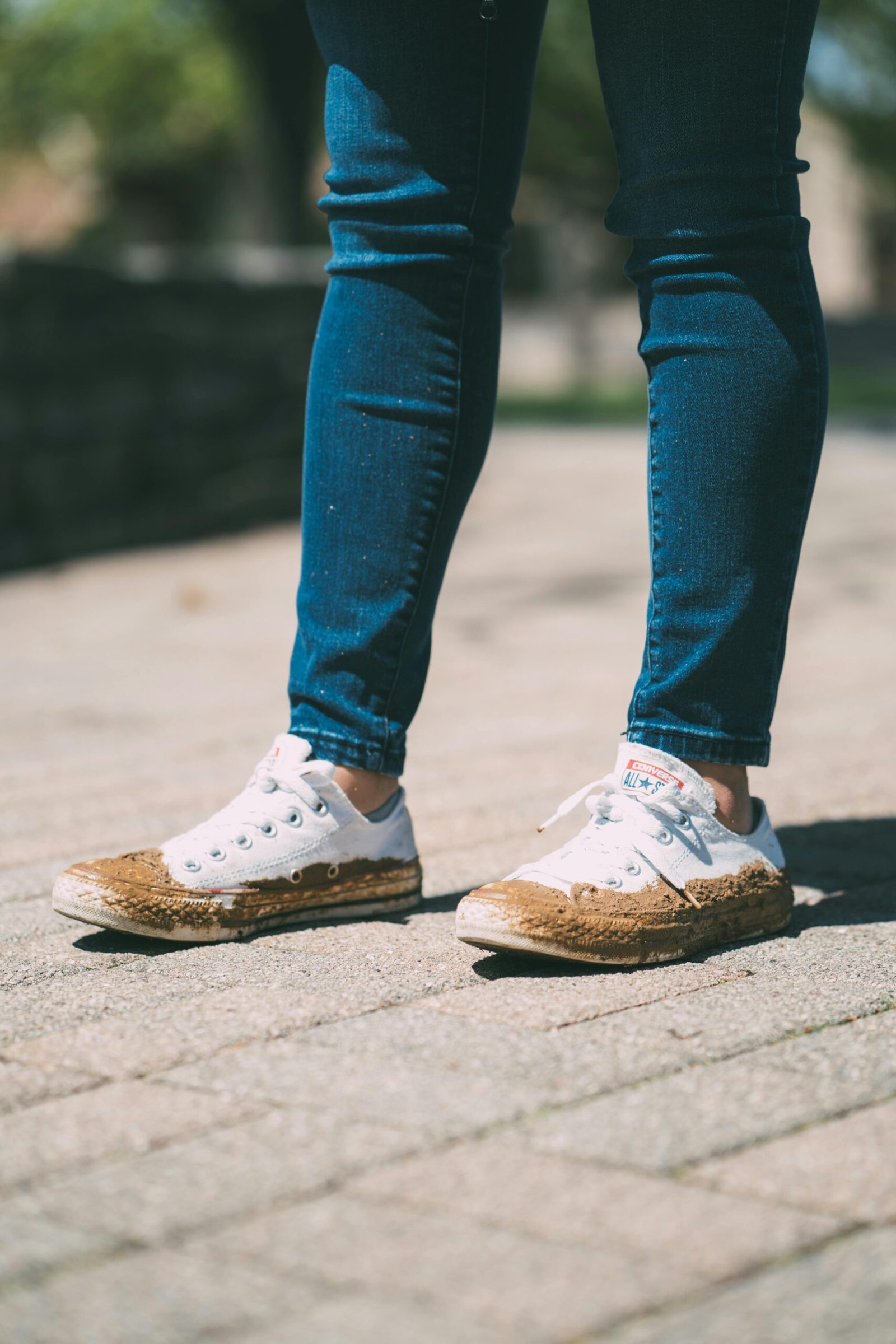
    If you’re wondering how to clean sneakers after Coachella, you’re not alone — the festival is legendary for leaving kicks absolutely wrecked. Between the desert dust, grass, mud, and hours of dancing, your sneakers go through a serious beating. Here’s how to bring them back to life.


    How to Clean Sneakers After Coachella: Step-by-Step

    The key to a proper post-festival clean is acting fast. The longer dirt, dust, and sweat sit in the materials, the harder they are to remove. Here’s a simple process you can follow at home:

    Step 1 — Dry brush first. Before adding any water, use a soft-bristle brush to knock off loose dirt and dust. This prevents you from grinding the desert dust deeper into the fabric when you start scrubbing.

    Step 2 — Remove the laces and insoles. Soak laces separately in warm soapy water. Insoles can be hand-washed and left to air dry — never put them in the dryer.

    Step 3 — Clean the uppers. Use a sneaker cleaning solution (or a diluted dish soap mix) with a medium-bristle brush. Work in small circular motions — don’t scrub aggressively or you’ll damage the material. For white sneakers, a magic eraser on the midsole works well for scuffs.

    Step 4 — Tackle the soles. The outsole picks up the most grime at festivals. An old toothbrush with cleaning solution can get into the grooves. For midsole yellowing from UV exposure, a sole sauce or hydrogen peroxide treatment works best.

    Step 5 — Rinse and stuff. Wipe down with a damp microfiber cloth to remove any soap residue. Stuff the sneakers with paper (not newspaper — the ink transfers) to hold their shape and let them air dry away from direct sunlight.


    What Coachella Does to Your Sneakers

    The Coachella Valley is uniquely brutal on footwear. Fine alkaline dust coats every surface, UV rays accelerate yellowing on white soles, and crowded grounds mean your kicks take a beating from every angle. Suede and nubuck are especially vulnerable — water and dust can permanently stain these materials if not treated correctly. Canvas sneakers absorb sweat and dust into the fibers, making them harder to clean at home without the right tools.

    If your sneakers are made from premium leather, suede, or have intricate detailing, DIY cleaning can do more harm than good. At-home cleaning is fine for basic canvas and mesh sneakers, but luxury or collector-grade kicks deserve professional care.


    When to Take Your Sneakers to a Professional

    Some post-Coachella damage goes beyond what a cleaning kit can fix. Deep suede stains, oxidized soles, sole separation, and heavily soiled interiors are best left to a professional restoration service. At Fixano, we handle everything from a deep clean to full sole restoration — and we’ve seen what four days at a desert festival can do to even the most expensive pairs.

    We clean all sneaker types including Nike, Jordan, New Balance, Common Projects, and designer sneakers. Drop-off is available in Los Angeles, or ship your pair to us from anywhere in the US. Most cleans are turned around in 3–5 business days.


    Is a Professional Sneaker Clean Worth It After Coachella?

    For most people, yes. If your sneakers cost $150 or more, the cost of a professional clean is easily justified — you protect the investment, extend the life of the shoe, and get results that a home clean simply can’t match. A professional clean also includes conditioning and protection treatments that slow down future dirt buildup.

    Ready to restore your festival pair? Book a clean with Fixano or browse our before-and-after gallery to see what a real restoration looks like.

    More from Fixano: Sneaker Restoration in Los Angeles – What to Expect | The Complete Guide to White Sneaker Cleaning


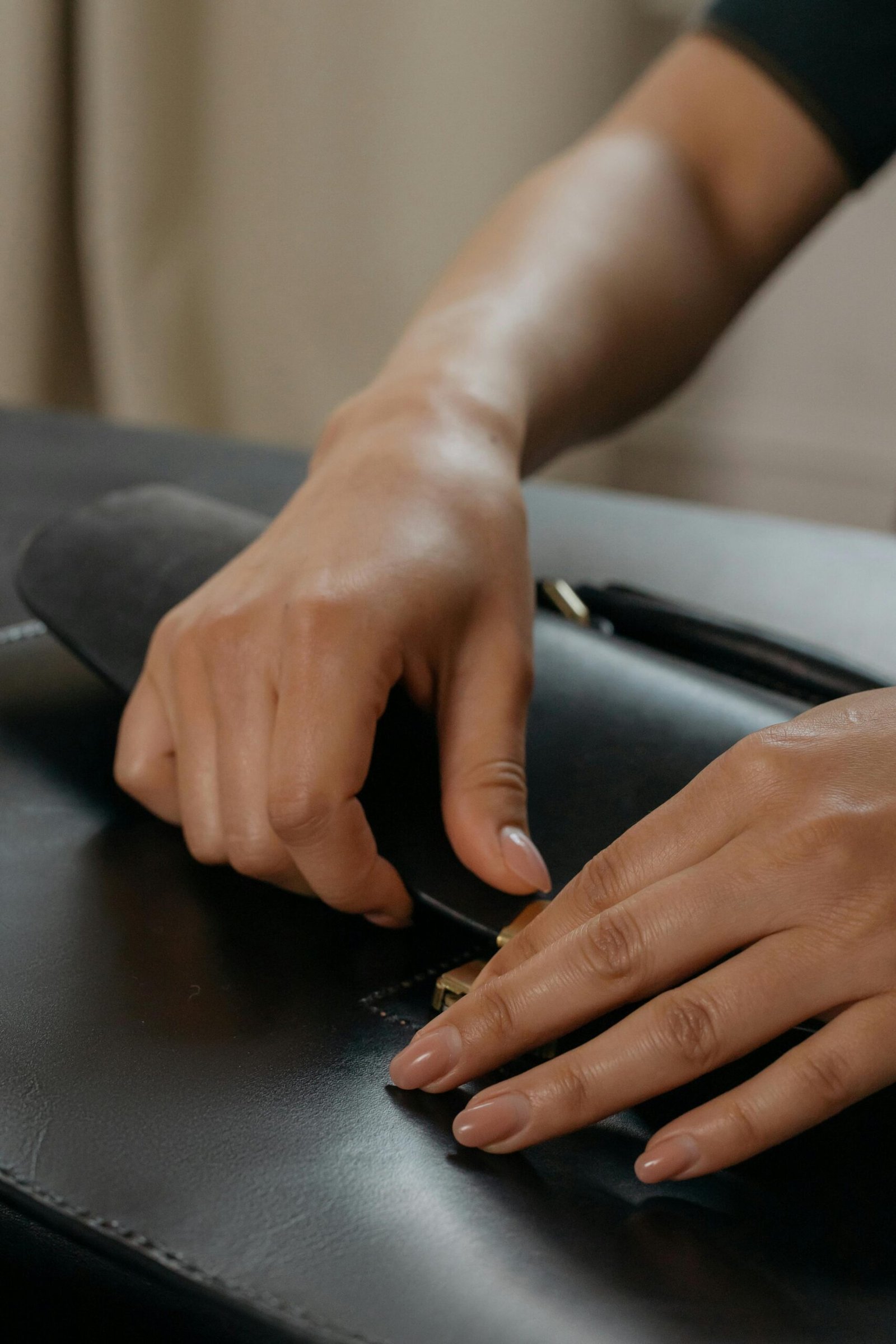
  • How to Clean a Leather Bag at Home — And When You Shouldn’t

    How to Clean a Leather Bag at Home — And When You Shouldn’t

    A good leather bag gets better with age — if you treat it right. The problem is that most advice online is either dangerously oversimplified or written for the wrong type of leather. Here’s a practical guide that actually accounts for the differences.

    First: Know What Type of Leather You Have

    This changes everything about how you clean and care for a bag.

    Full-grain leather is the highest quality — durable, develops a patina over time, and responds well to conditioning. Top-grain leather is slightly processed, more uniform in appearance, and common in designer bags. Genuine leather is a lower grade, more processed, and less forgiving of harsh products. Suede and nubuck are the most delicate — water is the enemy, and they require completely different care from smooth leather. Coated leather like vachetta (used on Louis Vuitton pieces) stains permanently from water and skin oils.

    If you’re not sure what type your bag is, err strongly on the side of doing less.

    What You Can Safely Do at Home

    Surface dust and light dirt

    A clean, dry microfiber cloth. That’s it. Rub gently in circular motions. For most day-to-day maintenance, this is all you need.

    Conditioning smooth leather

    Use a dedicated leather conditioner — not shoe polish, not Vaseline, not olive oil (yes, people try this). Apply a small amount with a soft cloth, leave for 10 minutes, then buff off. This keeps the leather supple and prevents cracking.

    Minor scuff marks on smooth leather

    A leather eraser works for light surface scuffs. For anything deeper, stop — you risk stripping the finish, which makes it look worse and harder to repair professionally later.

    What You Should Never Do at Home

    • Use water directly on suede, nubuck, or vachetta. A single water drop can leave a permanent mark on untreated leather.
    • Use baby wipes. Most contain alcohol, citric acid, or fragrance — all of which degrade leather over time.
    • Use household cleaners (Windex, all-purpose sprays, etc.). These strip protective coatings and dry out the leather.
    • Over-condition. Too much product makes leather sticky, which attracts more dirt and can darken the material permanently.
    • Heat-dry a wet leather bag. If it gets wet, stuff it with newspaper to hold its shape and let it dry at room temperature. Never use a hair dryer.

    When to Call a Professional

    Some situations genuinely require professional tools, products, and expertise:

    Ink stains

    The longer you wait, the deeper they set. Home treatments frequently spread ink further into the leather rather than removing it.

    Mould and mildew

    This requires a careful antifungal treatment process. Incorrect handling can permanently alter the leather’s texture and leave visible marks.

    Fading or colour loss

    Re-dyeing and colour matching requires professional knowledge of the specific leather type, finish, and dye formula. Done wrong, it’s difficult to correct.

    Deep scratches and structural damage

    Leather filler and colour blending is a skilled process. The difference between a good repair and a visible patch is in the technique.

    How Fixano Handles Leather Bag Restoration

    Fixano’s leather bag restoration service covers everything from a basic deep clean to full colour restoration. We pick up directly from your home across Los Angeles and Orange County, assess each bag individually on intake, and treat it based on its specific material and condition.

    Common services include full leather cleaning and conditioning, ink and stain removal, colour touch-up and re-dyeing, handle and corner repair, hardware cleaning and polishing, and protective coating application.

    More from Fixano: For the full long-term care routine, read our guide on how to care for a leather bag the right way. If your bag needs more than home treatment, Fixano’s restoration service covers leather goods across LA and Orange County with door-to-door pickup.


    Have a leather bag that needs some attention? Book through the Fixano app for pickup across Los Angeles and Orange County.

  • Sneaker Restoration in Los Angeles: What to Expect When You Use Fixano

    Sneaker Restoration in Los Angeles: What to Expect When You Use Fixano

    If you’re looking for professional sneaker restoration in Los Angeles, you already know the problem: great sneakers take real effort to maintain, and most services in the city make that harder than it needs to be. Fixano was built specifically for LA and Orange County — pickup from your door, restoration by hand, delivered back looking better than the day you bought them.

    The Problem With Most Sneaker Cleaning Options in LA

    Most sneaker cleaning services in Los Angeles still work the old way: you drive to a location, drop off your shoes, wait a few days, then drive back to collect them. In a city where traffic is a second job, that friction is a real barrier for most people.

    Some people turn to DIY. But popular cleaning products — even well-reviewed ones — can permanently damage certain materials when used incorrectly. One wrong application on suede, nubuck, or aged leather, and the damage is done.

    How Fixano’s Sneaker Restoration Service Works

    Fixano is an app-based sneaker and leather restoration service built specifically for Los Angeles and Orange County. The process is straightforward:

    1. Book through the app. Choose your service and a pickup window that works for you.
    2. We come to you. Our team picks up your sneakers directly from your home, apartment, or building.
    3. Restoration by hand. Every pair is assessed individually and treated based on its specific material and condition.
    4. Returned to your door. We deliver back to you — looking better than the day you bought them.

    No parking, no waiting rooms, no wasted afternoons.

    What a Full Sneaker Restoration in Los Angeles Includes

    Depending on the condition of your pair, a full restoration can include:

    • Deep clean of the upper, midsole, and outsole
    • Sole brightening and de-yellowing treatment
    • Leather cleaning, conditioning, and protective coating
    • Crease reduction on leather toe boxes
    • Lace deep clean or replacement
    • Colour restoration and touch-up on faded panels
    • Midsole repainting and structural repair
    • And more.

    We work on all major brands and materials — Nike, Jordan, New Balance, Adidas, Gucci, Common Projects, On Cloud, and everything in between. Leather, suede, mesh, canvas, patent — each material gets the treatment it specifically needs, not a one-size-fits-all approach.

    What Materials Does Fixano Restore?

    A lot of services in LA handle basic canvas and leather. Fixano goes further. We regularly restore:

    • Luxury sneakers — Gucci, Dior, Louis Vuitton, Balenciaga, and other high-end brands that need specialist handling
    • Vintage and deadstock — older pairs with fragile materials, crumbling foam, or faded colour that require careful, experience-driven work
    • Suede and nubuck — the most commonly damaged materials from DIY attempts
    • Patent leather and coated canvas — materials that look simple but are easy to permanently damage with the wrong product
    • Athletic and technical footwear — mesh, knit, and foam-pod constructions like On Cloud that need a different approach from leather

    Not sure if your pair qualifies? Get in touch and we’ll give you an honest assessment before you commit to anything.

    Where in LA Does Fixano Cover?

    Fixano operates across Los Angeles County and Orange County, including West LA, Santa Monica, Brentwood, Beverly Hills, Hollywood, Silver Lake, Echo Park, Downtown LA, and throughout Orange County including Newport Beach, Laguna Beach, Irvine, Huntington Beach, and Costa Mesa.

    How Long Does Sneaker Restoration Take?

    Standard turnaround is 3–5 business days from pickup to delivery back to your door. Full restorations involving colour work, sole repainting, or multiple material types may take 7–10 days — we’ll always give you a clear timeline upfront. You can track the status of your restoration in real time through the Fixano app.

    Is Sneaker Restoration in Los Angeles Worth the Cost?

    For a pair worth $150 or more, professional restoration typically costs a fraction of replacement — and your pair comes back in better condition than a new one out of the box, because it’s already broken in the way you like it.

    For limited editions, collabs, or pairs with sentimental value, the question isn’t whether it’s worth it. It’s why you’d risk anything else. See our before and after restorations to get a clear sense of what’s possible.

    Dealing with a specific issue? We’ve covered why Air Force 1 soles turn yellow and how to fix it, and put together a complete guide to cleaning white sneakers if you want to tackle maintenance at home first.


    Ready to restore? Book your pickup with Fixano today — serving Los Angeles and Orange County with door-to-door sneaker and leather restoration.

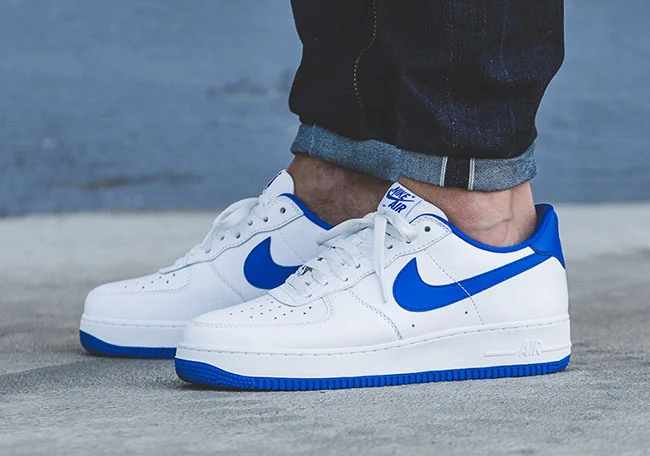
  • Why Your Air Force 1s Are Yellowing (And How to Actually Fix It)

    Why Your Air Force 1s Are Yellowing (And How to Actually Fix It)

    You pull your Air Force 1s out of the closet after a few months and something’s off. The soles — once stark white — have turned a dull, unmistakable yellow. It’s one of the most common complaints sneaker owners bring to us at Fixano, and it’s worth understanding what’s actually happening and what can realistically be done about it.

    Why Air Force 1s Turn Yellow

    The yellowing you see on Air Force 1 soles isn’t dirt or grime — it’s a chemical process called oxidation. Nike uses a foam compound called EVA (ethylene-vinyl acetate) in the midsole and a rubber outsole that contains certain compounds which react with UV light and oxygen over time. The result is that characteristic yellow tint that seems to appear out of nowhere.

    There are a few factors that accelerate the process:

    • UV exposure. Sunlight is the primary driver of oxidation. Even indirect light through a window can cause yellowing over time.
    • Heat. Storing sneakers in warm environments — attics, car trunks, garages — speeds up the chemical breakdown significantly.
    • Trapped moisture. Wearing shoes without socks or in humid conditions can accelerate the process from the inside out.
    • Age. Deadstock or unworn pairs sometimes yellow faster than regularly worn ones because the oxidation process continues regardless of use.

    What the DIY Options Actually Do

    Search online and you’ll find dozens of home remedies: hydrogen peroxide and UV light, baking soda pastes, nail polish remover, bleach. Some of these can temporarily improve the appearance of yellowed soles, but they come with real tradeoffs.

    Hydrogen peroxide treatments — sometimes called “Salon Care” or “sole icing” — work by reversing the oxidation temporarily. The issue is that the foam still contains the same compounds that caused the yellowing in the first place. Without proper neutralization and protective finishing, the soles often re-yellow faster than before.

    Bleach is worse. It can strip color from materials beyond just the sole and degrade the rubber compound itself, making the shoe more prone to cracking and separation over time.

    What a Professional Restoration Actually Involves

    At Fixano, sole restoration on Air Force 1s involves more than just applying a whitening agent. The process includes a thorough deep clean to remove embedded dirt and surface contaminants, followed by a controlled treatment that addresses the oxidation at a material level. Depending on the severity of the yellowing, the midsole may also receive a protective coating that slows future oxidation.

    The difference between a professional result and a DIY attempt usually comes down to two things: the quality of the chemistry being applied and whether the work is done in a controlled environment. Applying peroxide in direct sunlight on a hot day, for instance, can cause uneven bleaching and accelerate structural breakdown.

    How to Prevent Yellowing in the First Place

    Prevention is more effective than reversal. A few habits go a long way:

    • Store in a cool, dark place. A shoe box in a closet is better than a display shelf near a window.
    • Use silica gel packets. These absorb moisture and help regulate humidity inside the box.
    • Avoid cellophane wrapping. Wrapping soles in plastic wrap actually traps heat and moisture, which accelerates oxidation despite popular belief.
    • Apply a sole protector after cleaning. A UV-blocking sole protector applied after a professional clean can dramatically slow future yellowing.

    When Is It Too Late to Restore?

    In most cases, yellowed Air Force 1 soles can be treated — the question is degree. Light to moderate yellowing responds well to professional treatment and can be brought back close to the original white. Heavy, long-term oxidation — particularly on older pairs — may have some permanent discoloration, though the overall appearance can still be improved substantially.

    Cracking or crumbling soles are a different issue. Once the foam structure has physically broken down, no cleaning or whitening treatment will reverse that. At that stage, sole replacement is the appropriate next step, which is also a service Fixano offers for the right candidates.

    Getting Your Air Force 1s Restored in LA or OC

    Fixano serves Los Angeles and Orange County with a door-to-door pickup and delivery model. You don’t drop off — we come to you. Once we have your shoes, our team assesses the sole condition and works through the appropriate treatment process before returning them cleaned, treated, and protected.

    For Air Force 1s specifically, we see a high volume of sole yellowing cases and have refined the process considerably. Whether your pair has been sitting unworn for two years or they’ve just developed a gradual tint from regular use, it’s worth getting a professional assessment before attempting a home fix that could make things worse.

    More from Fixano: For the full picture on white sneaker care, check out our complete guide to cleaning white sneakers. If you’re ready for a professional fix, Fixano handles sneaker restoration across Los Angeles and Orange County — door-to-door pickup included.


    Book your Air Force 1 restoration through the Fixano app, available on the App Store. We handle pickup, restoration, and delivery — no drop-off required. Serving Los Angeles and Orange County.

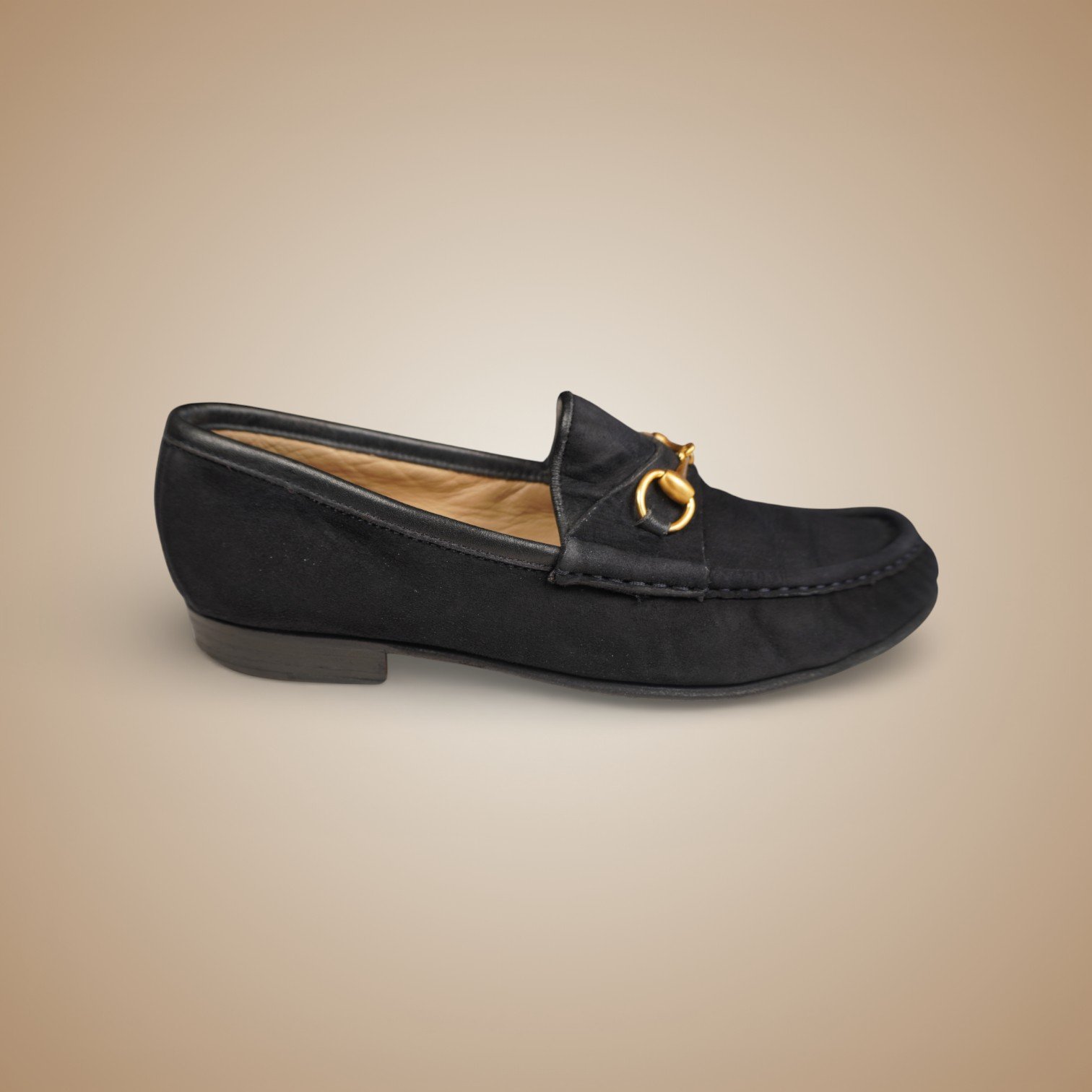
  • Gucci Horsebit Loafer Repair & Restoration: The Story Behind the Icon

    Gucci Horsebit Loafer Repair & Restoration: The Story Behind the Icon

    A Shoe That Changed Everything

    Some shoes get worn. Others get remembered.

    The Gucci Horsebit Loafer is one of the few that did both — and kept doing it for over 70 years. Since its debut in 1953, it has appeared on the feet of royalty, Hollywood icons, and today’s most style-conscious collectors. It is not a trend. It is a standard.

    But standards require maintenance. And that’s where Fixano comes in.


    The Story of the Gucci Horsebit Loafer

    Born in Florence, 1953

    The Horsebit Loafer was designed by Aldo Gucci, son of the brand’s founder Guccio Gucci, as a refined answer to the American penny loafer. Where the penny loafer was casual, the Horsebit was deliberate — it carried a gold-tone metal horsebit hardware across the vamp, drawing directly from the brand’s equestrian heritage rooted in Florentine leather craft.

    It wasn’t just a shoe. It was a statement about what luxury could look like when worn, not just displayed.

    The Decade That Cemented Its Legacy

    By the 1960s and 70s, the Horsebit had found its audience among the cultural elite. John F. Kennedy was photographed wearing them. Clark Gable, Cary Grant, and the entire orbit of Hollywood’s Golden Age adopted them as a signifier of quiet authority. The shoe sat effortlessly at the intersection of power and ease.

    Later, they crossed into street culture. Styled with wide-leg trousers, relaxed suits, or denim — the Horsebit became fluent in every dress code. It never shouted. It didn’t need to.

    The Modern Revival

    Under creative direction from Alessandro Michele (2015–2022) and now Sabato De Sarno, Gucci has revisited the Horsebit repeatedly — new colorways, exotic leathers, platform soles. Each iteration confirms what the original already knew: this silhouette is timeless.

    Today, vintage Horsebit Loafers from the 70s and 80s command premium resale prices. New pairs are investment pieces. The question is no longer “should I buy them?” — it’s “how do I keep them looking right?”


    Why Gucci Horsebit Loafers Need Expert Care

    Owning a pair of Gucci Horsebit Loafers means owning something built from premium full-grain calfskin, suede, or exotic leather. These materials are extraordinary — and they are unforgiving of neglect.

    The most common issues we see at Fixano:

    • Leather drying and cracking — especially on the vamp and toe box, where flex is constant
    • Sole wear and delamination — the leather-stacked or rubber soles thin out faster than owners expect
    • Horsebit tarnishing — the gold-tone hardware oxidises with exposure to sweat, humidity, and time
    • Scuffs and colour loss — high-contact areas like the heel counter and toe take the most visible damage
    • Insole compression and odour — the interior degrades without proper rotation and care
    • Suede napping — suede variants mat and discolour in ways that feel irreversible (they’re not)

    None of these are death sentences. They’re maintenance calls.


    How Fixano Restores Gucci Horsebit Loafers

    Fixano connects you with vetted local restoration studios — craftspeople who work with luxury leather goods daily. When you send in your Horsebit Loafers, here’s what the process looks like:

    1. Deep Clean & Conditioning

    We start with a thorough cleaning using pH-balanced products safe for full-grain and exotic leathers. Dirt, oils, and residue are removed from the upper, welt, and sole edge. Then comes conditioning — replenishing the leather’s moisture to prevent future cracking and restore suppleness.

    2. Colour Restoration

    Scuffs and fading are addressed using professional leather dyes matched to your pair’s original colour. For deeper damage, edge repainting and full upper re-dyeing is available. The goal is always to match, not mask.

    3. Sole Repair & Replacement

    Worn or delaminated soles are rebuilt or replaced with period-correct materials — leather, rubber, or a combination depending on your pair. We protect the welt and maintain the silhouette’s original proportions. Heel tips are replaced as standard.

    4. Horsebit Hardware Cleaning

    The metal hardware is cleaned and polished using non-abrasive methods that restore shine without scratching. Heavily oxidised bits can be professionally re-plated where needed.

    5. Interior Refresh

    Compressed or damaged insoles are replaced. The interior lining is cleaned, deodorised, and where worn, re-lined to restore that original feel underfoot.

    More from Fixano: We also cover how to care for leather bags and goods the right way. For door-to-door restoration service across LA and Orange County, learn more about Fixano’s sneaker and leather restoration in Los Angeles.


    The Story Lives On

    A pair of Gucci Horsebit Loafers isn’t just footwear — it’s a piece of fashion history you can wear. With the right care, they don’t wear out. They wear in.

    At Fixano, we believe the things worth owning are worth keeping. Whether your Horsebit Loafers are vintage finds, gifts, or pairs you’ve had for years — our studio partners will treat them with the craft they deserve.

    Send us your Guccis. We’ll give them what they need.

    Book your restoration at fixano.io →

  • How to Clean White Sneakers: Pro Tips + When to Call the Experts

    How to Clean White Sneakers: Pro Tips + When to Call the Experts

    White sneakers look incredible on day one. By day ten, not so much. Whether you’ve got Nike Air Force 1s, Adidas Stan Smiths, or any white-on-white silhouette, keeping them clean is a constant battle. Here’s what actually works — and where home cleaning hits its limits.

    What You Can Clean at Home

    For light dirt and everyday scuffs, a few basic supplies go a long way. You’ll need a soft-bristle brush, mild dish soap or a dedicated sneaker cleaner, warm water, a microfiber cloth, and a magic eraser for the rubber soles.

    Step-by-step method

    1. Remove the laces and soak them separately in warm soapy water.
    2. Brush off dry dirt first — applying liquid before removing loose dirt grinds it deeper into the material.
    3. Mix one part mild soap with five parts water. Dip the brush, not the shoe.
    4. Scrub in small circles, working section by section. Don’t soak the upper.
    5. Wipe clean with a damp microfiber cloth, then a dry one.
    6. Air dry away from sunlight. Direct sun yellows white soles faster than anything.

    For rubber soles and toe boxes, a dry magic eraser handles scuffs well without any liquid at all.

    What Home Cleaning Can’t Fix

    DIY cleaning works well on surface grime. But there are situations where attempting it at home makes things significantly worse:

    Yellowing soles

    That amber tint creeping into white outsoles is oxidation — a chemical change in the foam. You can’t scrub it away. Professional de-yellowing treatments use specific compounds to actually reverse the process.

    Set-in stains on mesh or knit

    Mesh is porous. Once a stain has soaked in, water spreads it further. A professional has the tools to lift it without expanding the damage.

    Leather creases and scuffs

    Scrubbing leather aggressively strips protective coatings. Leather responds to treatment, not friction — and the wrong product leaves it worse than it started.

    Sole separation

    If your sole is lifting, water and aggressive scrubbing accelerates the separation. This is a repair job, not a cleaning job.

    How Professional Sneaker Restoration Handles It

    At Fixano, white sneaker restoration involves several steps the average person can’t replicate at home:

    • Ultrasonic cleaning for midsoles and outsoles, removing embedded dirt without abrasion
    • Custom compound treatments for oxidised or yellowed soles
    • Leather conditioning and protective coating to restore and seal the upper
    • Midsole touch-up for scuffs and colour loss

    The whole process takes 3–5 business days. We pick up and return directly to your door across LA and Orange County — no drop-off required.

    Restore vs. Clean: A Quick Rule

    • Surface dirt and light scuffs → clean at home
    • Yellowing, staining, peeling, or cracking → professional restoration
    • Expensive or sentimental pair → always go professional

    White sneakers are one of the most forgiving silhouettes to restore — and one of the most satisfying results we deliver.

    More from Fixano: Want the full deep-dive? Read our complete guide to cleaning white sneakers. Got Air Force 1s with yellowing soles? We break down exactly why AF1s yellow and how to fix it. For professional results, book a restoration with Fixano in LA.


    Fixano offers sneaker pickup and delivery across Los Angeles and Orange County. Download the app to book your restoration.

  • How to Care for a Leather Bag: The Right Way

    How to Care for a Leather Bag: The Right Way

    A leather bag is an investment. Whether it’s a Louis Vuitton Neverfull, a Saint Laurent crossbody, or a vintage leather tote you picked up years ago — the way you care for it determines how long it stays beautiful.

    Most leather damage comes down to three things: neglect, wrong products, and moisture. Here’s how to avoid all three.

    The basics: what leather actually needs

    Leather is skin. It needs to be cleaned of surface grime, conditioned to stay supple, and protected from water and UV. Skipping conditioning leads to cracking. Using the wrong cleaner strips natural oils and causes fading. It’s not complicated — it just takes the right products used consistently.

    How to clean a leather bag at home

    1. Empty the bag completely and shake out debris.
    2. Use a dry microfibre cloth to remove surface dust.
    3. Apply a leather cleaner designed for your bag’s finish (smooth, pebbled, patent, and suede each need different products).
    4. Work in small sections with a soft cloth.
    5. Once dry, apply a leather conditioner and buff lightly.

    What NOT to do

    Never use baby wipes, household cleaners, or anything with alcohol on leather — they strip the finish and cause fading. Don’t store leather bags in plastic (they need to breathe). And avoid leaving them in direct sunlight, which causes rapid colour fade and cracking.

    When the damage is already done

    More from Fixano: Need a step-by-step clean? Our guide to cleaning a leather bag at home walks you through it. For bags that need more than home treatment, Fixano’s Los Angeles restoration service handles leather goods alongside premium footwear — with pickup from your door.

    Scratches, colour loss, water stains, and structural damage are all restorable by professionals. Fixano specialises in leather bag restoration for clients across Los Angeles and Orange County — we’ll assess your piece, quote upfront, and collect it from your door. Most bags come back looking significantly better than when they arrived.

  • How to Clean White Sneakers: The Complete Guide

    How to Clean White Sneakers: The Complete Guide

    Your white sneakers looked perfect when you first got them. Six months later, they’ve turned grey, the soles are yellow, and no amount of wiping seems to make a difference. Sound familiar?

    The good news: most of that damage is completely reversible. Here’s what actually works — and what to skip.

    Why white sneakers yellow over time

    Yellowing in white midsoles is caused by a process called oxidation — the foam reacts with UV light and oxygen in the air. It’s not dirt, which is why regular cleaning doesn’t fix it. You need a product specifically designed to reverse oxidation, like a sole sauce or a unyellowing solution, combined with UV exposure.

    The right cleaning kit for white sneakers

    For the upper, you’ll need: a soft-bristle brush, a cleaning solution safe for your material (leather, mesh, and suede all need different products), and microfibre cloths. Avoid household cleaners — bleach and dish soap can strip protective coatings and cause more yellowing.

    Step-by-step: cleaning white mesh sneakers

    1. Remove laces and soles, wash separately.
    2. Dry brush loose dirt off the upper.
    3. Apply a small amount of sneaker cleaner to a damp brush and work in circles.
    4. Wipe off with a clean microfibre cloth.
    5. Stuff with paper to hold shape and air dry away from direct sunlight.

    When to call in a professional

    More from Fixano: Also worth reading: pro tips for white sneakers and when to call an expert, and our dedicated post on fixing yellowed Air Force 1 soles. When home cleaning isn’t enough, Fixano offers professional sneaker restoration across Los Angeles.

    Some stains — oil, ink, deep scuffs on leather panels — won’t come out with home methods. And if your midsoles are heavily yellowed or cracked, a professional restoration will get you results that DIY simply can’t match. At Fixano, we handle this every day for clients across LA and Orange County, with free pickup and delivery from your door.